
Benefits of Animal-Assisted Therapy
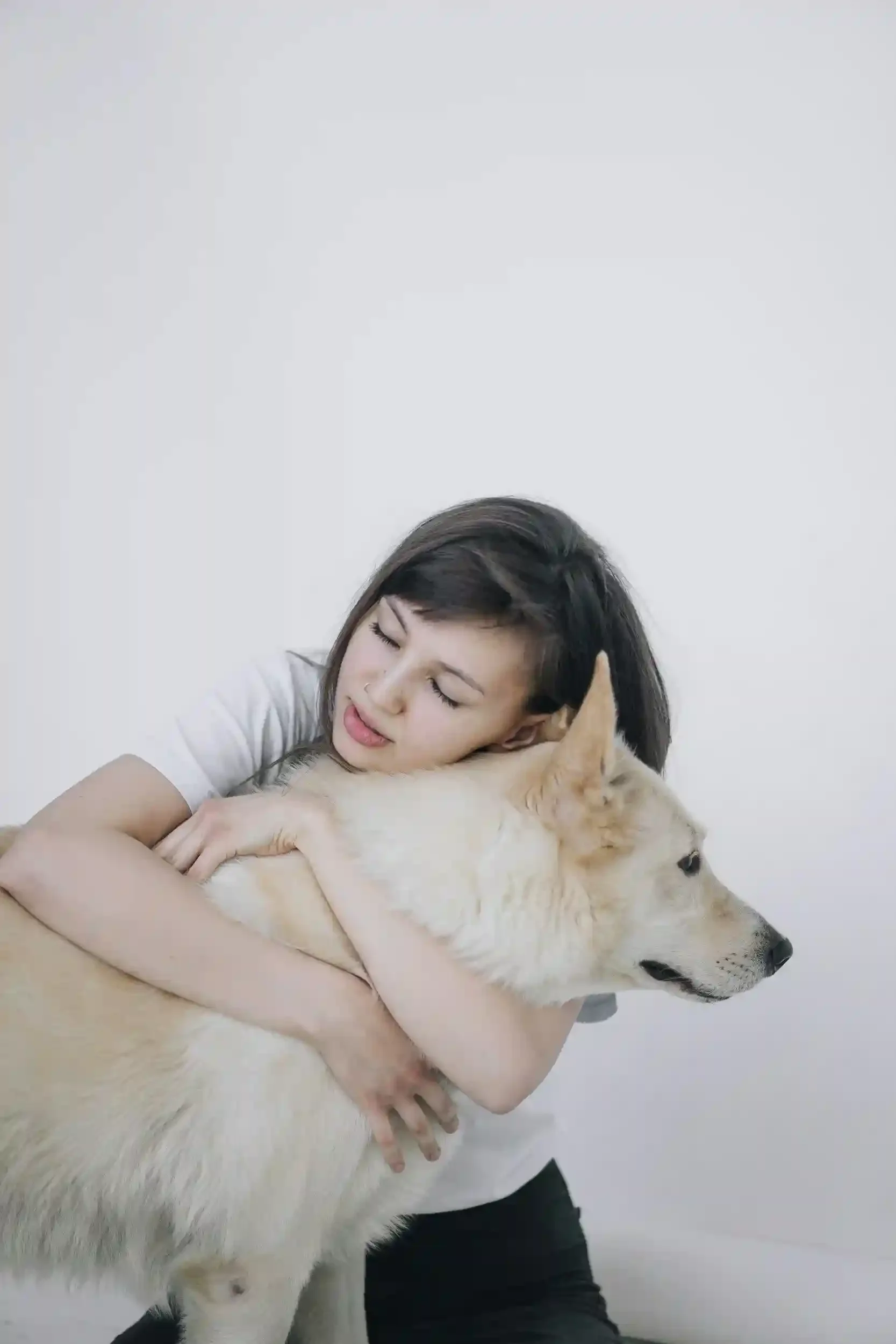
There’s something deeply comforting about the soft gaze of a dog, the gentle nudge of a therapy horse, or the rhythmic purring of a cat curled up beside you. In moments of pain, anxiety, or uncertainty, animals often show up as quiet, grounding companions—offering affection without agenda and presence without words. In the world of therapy, this intuitive connection between humans and animals is not only recognized but intentionally harnessed through a growing field known as Animal-Assisted Therapy (AAT).
Animal-Assisted Therapy is more than just spending time with animals—it’s a structured, evidence-informed approach that integrates animals into therapeutic settings to support emotional, psychological, and even physical healing. And while it may sound soft or simple on the surface, the impact can be profound.
In this blog, we’ll walk through what AAT is, how it works, who it can help, and why the connection between humans and animals is uniquely healing. Whether you’re a curious client, a mental health professional, or someone who’s always felt the special pull of animals, this is for you.
What Is Animal-Assisted Therapy?
Animal-Assisted Therapy is a form of therapeutic intervention where trained animals are intentionally incorporated into treatment goals alongside a licensed therapist or healthcare provider. These animals—most commonly dogs, horses, and sometimes cats, rabbits, guinea pigs, or even birds—partner with the clinician to support emotional regulation, trust-building, and skill development.
AAT differs from simply being around animals (known as animal-assisted activities) because it is goal-oriented and tailored to the needs of the client. For example, a therapist might use a dog to help a client practice emotional expression, or guide a client in grooming a horse to support regulation and body awareness.
The key elements of AAT include:
A credentialed therapist
A trained animal with appropriate temperament
Clearly defined goals
A safe, structured environment
The presence of the animal isn't just for comfort—it's woven into the work.
Pets and Therapy: The Science Behind the Connection
The human-animal bond is ancient and deeply wired into us. For thousands of years, animals have helped humans survive, offering protection, companionship, and purpose. Today, research shows that even brief interactions with animals can lower cortisol (the stress hormone), boost oxytocin (the bonding hormone), and reduce symptoms of anxiety and depression.
Animals offer something that many people crave: unconditional presence. They don’t interrupt. They don’t judge. They don’t rush the process. They simply show up—with their soft eyes, warm bodies, and calming heartbeats—and invite us to do the same.
In therapeutic settings, this connection can:
Build rapport more quickly between therapist and client
Provide a sense of safety and emotional grounding
Offer tactile comfort that soothes the nervous system
Encourage emotional expression in clients who may struggle to talk about feelings
Facilitate trust in relationships for those healing from trauma or attachment wounds
For some, the presence of an animal creates a bridge to healing that words alone cannot offer.
Types of Animal-Assisted Therapy Animals
Different animals bring different gifts to the therapeutic process. Here’s a brief look at some common therapy animals and how they’re used:
Dogs
Dogs are the most common therapy animals due to their trainability, loyalty, and naturally empathetic nature. In therapy, dogs may sit beside a client, offer pressure through gentle leaning, or even respond to emotional cues. They’re wonderful partners in trauma therapy, anxiety treatment, and even with children who struggle to engage.
Horses (Equine-Assisted Therapy)
Equine therapy can be especially powerful for clients working through trauma, emotional regulation, or boundary-setting. Horses are highly intuitive and mirror human emotions, offering immediate feedback without words. Activities like grooming, leading, or simply observing horses can help clients connect to their own nervous systems and relational patterns.
Cats
Cats are less commonly used but can be incredibly calming for clients who prefer a quieter, less physically demanding animal. Their gentle purring and independent yet affectionate presence can offer grounding, especially in more sensory-sensitive populations.
Rabbits, Guinea Pigs, Birds, and Others
Small animals are often used in child therapy or in medical settings. Their soft fur, small size, and gentle nature can be soothing, especially for clients who may be frightened by larger animals.
Who Can Benefit from Animal-Assisted Therapy?
One of the beautiful things about AAT is how adaptable it is across populations and diagnoses. It’s not only for children or trauma survivors—it can support people of all ages and experiences.
Children and Adolescents
Kids often find it easier to connect with animals than with adults, especially if they’ve experienced trauma or have difficulty trusting others. Animals can help reduce resistance, model empathy, and provide nonverbal comfort during difficult conversations. A child who struggles to talk about their parents’ divorce may open up while petting a calm therapy dog or a child that has experienced trauma may feel connection and hope to an animal’s rescue story.
Adults with Trauma Histories
For adults healing from PTSD or complex trauma, animals can help regulate the nervous system, offer a sense of safety, and reintroduce healthy relational experiences. Clients often report feeling more at ease, grounded, and less alone when an animal is present in the room.
People with Anxiety or Depression
The calming presence of an animal can offer immediate relief from the chronic tension and rumination that often accompanies anxiety and depression. Simply petting a dog or grooming a horse can bring someone into the present moment—where healing can begin.
Neurodivergent Individuals
For clients on the autism spectrum or those with sensory sensitivities, animals can be stabilizing companions. They offer predictable, consistent behavior and often respond well to nonverbal communication.
Elderly Clients and Those in Hospice
Therapy animals are frequently used in elder care, memory care, and hospice settings. They can reduce loneliness, increase joy, and offer gentle touch in stages of life where that is often lacking.
What Does an Animal-Assisted Therapy Session Look Like?
Animal-Assisted Therapy can look very different depending on the setting, goals, and the therapist’s approach. Here are a few examples:
In an office setting, a therapy dog might sit beside the client, offering silent support as they talk through painful memories. The client might pet the dog when they feel overwhelmed or anxious. This is the setting that is used at Lakewood Holistic Counseling. It is typical of Winston (current therapy dog) to ask for treats, pets, and to respond to emotions.
On a farm or in an equine facility, a therapist may guide a client through grooming a horse, helping them notice how they respond to pressure, rhythm, or resistance—mirroring relational themes in their life.
In a hospital or rehabilitation center, a therapy animal might visit a client recovering from illness, offering motivation, sensory input, or simply the comfort of presence.
No matter the setting, the goal is always the same: to use the unique relational gifts of the animal to support connection, regulation, and healing.
How is Pet Therapy Beneficial to You?
If you’re someone who feels drawn to animals or has experienced their comfort in your own life, AAT may be a beautiful addition to your therapy journey. That said, it’s not a fit for everyone.
AAT may not be appropriate if:
You have severe allergies to animals
You have a strong fear of or trauma related to animals
You’re in a therapeutic setting not equipped to safely include animals
The presence of an animal would distract from your goals or feel overwhelming
That’s why it’s important to talk with your therapist about your needs, preferences, and curiosities. If AAT is something you’re interested in, they may be able to incorporate it into your work or refer you to a trained provider.
Ethical and Safety Considerations
It’s important to note that not every animal is suited for therapy. Just because a pet is beloved does not mean it is appropriate for clinical work. Certified therapy animals undergo rigorous temperament testing, training, and health screenings to ensure they are safe, calm, and responsive in various environments.
Therapists practicing AAT should also be trained and credentialed in both their mental health discipline and the integration of animals into therapy. When done ethically and intentionally, AAT is a deeply healing modality. When rushed or unregulated, it can be stressful for both the client and the animal.
If you're considering AAT as a provider, be sure to receive proper training from a reputable program and ensure your animal partner is well-cared for and never pushed beyond their comfort.
The Quiet Magic of Connection
At its heart, Animal-Assisted Therapy reminds us of something simple but profound: healing happens in relationship. Whether it’s with a therapist, a trusted friend, or a four-legged companion, we heal when we feel seen, safe, and held.
Animals have a way of cutting through our defenses, inviting us back into our bodies, and offering comfort that words often can’t. They show us how to stay present. How to listen without fixing. How to simply be with someone in their pain—and their joy.
If you’ve ever felt your heartbeat slow while petting a dog… or your shoulders drop as a horse breathed beside you… or a moment of laughter slip through in a hard session because a bunny hopped across the room… then you’ve already experienced the healing interventions of this work.