
Trauma and Religion: Finding Peace and Reclaiming Your Authentic Self
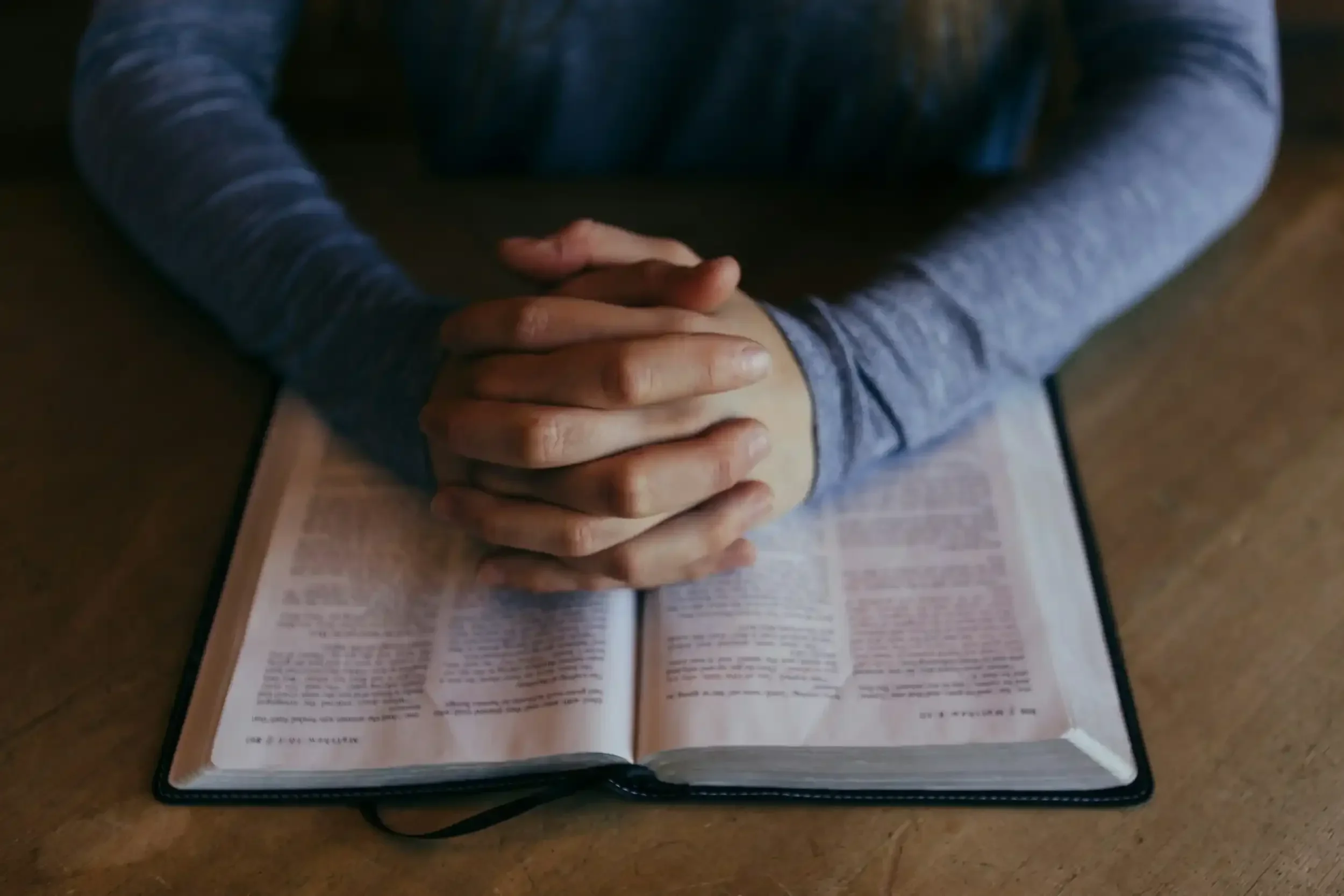
For many, faith can be a source of comfort, community, and meaning. But for others, religious experiences leave deep wounds, shaping how they see themselves and the world around them. Religious trauma can stem from rigid belief systems, spiritual abuse, fear-based teachings, or rejection from faith communities. If you've found yourself navigating the painful effects of religious trauma, know that healing is possible. You are not alone, and your experiences are valid.
Understanding Trauma and Religion
Religious trauma isn’t just about leaving a faith; it’s about the emotional, psychological, and sometimes physical harm caused by religious environments. This may manifest as anxiety, guilt, shame, fear of punishment, difficulty trusting oneself, or struggling to feel worthy of love and acceptance.
Many who experience religious trauma wrestle with questions like:
“Am I a bad person for questioning my faith?”
“Will I ever feel safe outside of this belief system and/or religious community?”
“How do I rebuild my sense of identity after leaving religion?”
These questions are natural, and while the healing journey looks different for everyone, there are steps you can take to move toward peace and wholeness
Acknowledge Your Pain Without Judgment
The first step toward healing is acknowledging that what you experienced was real and that it affected you. Many people who have suffered religious trauma struggle with self-doubt: Was it really that bad? or maybe I’m just too sensitive. But minimizing your pain doesn’t make it go away. Instead, give yourself permission to acknowledge the emotions you are feeling and that something harmful happened to you. Oftentimes, due to trauma, it can be easy to get stuck in minimizing or blaming oneself. If you find yourself questioning your experience, seek out a licensed therapist who can help you to further understand your experience and untangle your sense of self from what happened to you.
Reclaim Your Inner Voice
In high-control religious environments, people are often taught to distrust themselves. You may have been told that your thoughts and feelings were sinful or that you needed to rely on religious authority figures to know what was right and wrong. Healing involves learning to trust yourself again.
Start small. Listen to your body and emotions without judgment. Journal your thoughts and reflect on what feels authentic to you. Remember, you are allowed to have your own opinions, make your own choices, and define your own beliefs.
Recognizing the Impact of Fear-Based Teachings
Many religious communities emphasize strict rules and rigid doctrines that rely on fear to enforce compliance. This includes teachings around eternal punishment, submission to authority, and strict moral codes, including purity culture. These fear-based teachings can deeply impact a person’s self-esteem, decision-making, and ability to form healthy relationships.
A note on purity culture
Purity culture, in particular, places a heavy emphasis on sexual purity, modesty, strict gender roles, and heteronormative beliefs. This emphasis frequently results in deep-seated shame, fear, and disconnection from one's own body and desires. Many individuals who grew up in purity culture struggle with:
Shame around their sexuality and bodies
Fear of intimacy and difficulty in healthy relationships
Guilt over normal sexual thoughts and experiences
Anxiety and confusion about personal boundaries and consent
Healing from purity culture involves recognizing that your worth is not tied to your sexual history, choices, or adherence to a religious community’s expectations. Your body is not sinful, and you are allowed to explore and define your own values regarding relationships and intimacy. Reclaiming bodily autonomy, embracing self-compassion, and unlearning shame-based messaging are crucial steps in moving forward.
Unpack Harmful Beliefs
Many who have experienced religious trauma struggle with ingrained messages that no longer serve them. Some common ones include:
“I am inherently sinful or unworthy.”
“If I leave my faith or church community, I will be punished.”
“I can’t trust myself to make the right decisions.”
These beliefs can be deeply embedded, but they are not truths—you have the power to unlearn them. Working with a therapist or engaging in self-reflection can help you reframe these thoughts in a healthier way. Ask yourself: What do I believe now? What feels true to me?
Find a Supportive Community
Leaving or questioning your faith can feel incredibly lonely, especially if your religious community was your primary source of connection. Seek out safe spaces where you can share your experiences without fear of judgment. This might include therapy, support groups, online communities, or friends who understand your journey.
Finding people who validate your feelings and experiences can be a powerful step toward healing. You deserve relationships built on love and mutual respect, not fear and control.
Create New Meaning and Spirituality (If You Choose To)
For some, healing from religious trauma means stepping away from faith entirely, while others find new ways to engage with spirituality. There is no right or wrong answer—only what feels best for you.
Some people find comfort in mindfulness, meditation, nature, art, or philosophical exploration. Others redefine their faith outside of dogmatic or fear-based teachings. Whatever path you choose, know that your beliefs are yours to shape, and no one else has the authority to dictate what spirituality should mean to you.
Practice Self-Compassion
Recovery from religious trauma isn’t linear. Some days will feel empowering, while others may bring waves of doubt or grief. Be gentle with yourself through this process. Healing takes time, and it’s okay to move at your own pace.
Practice self-care by engaging in activities that bring you joy and comfort. Read books that inspire you, spend time in nature, create art, or simply rest when you need to. You are worthy of love and kindness—especially from yourself.
You Are Not Alone
Healing from religious trauma is not easy, but it is possible. You deserve to live a life free from fear, shame, and control. You are allowed to question, grow, and redefine your path in a way that aligns with your true self.
Above all, remember this: You are whole. You are worthy. You are enough, exactly as you are.
If you are struggling, consider reaching out to a therapist or support group that specializes in religious trauma recovery. There is hope, and you don’t have to navigate this journey alone.