
When Growth Costs You Your Community: A Different Kind of Grief
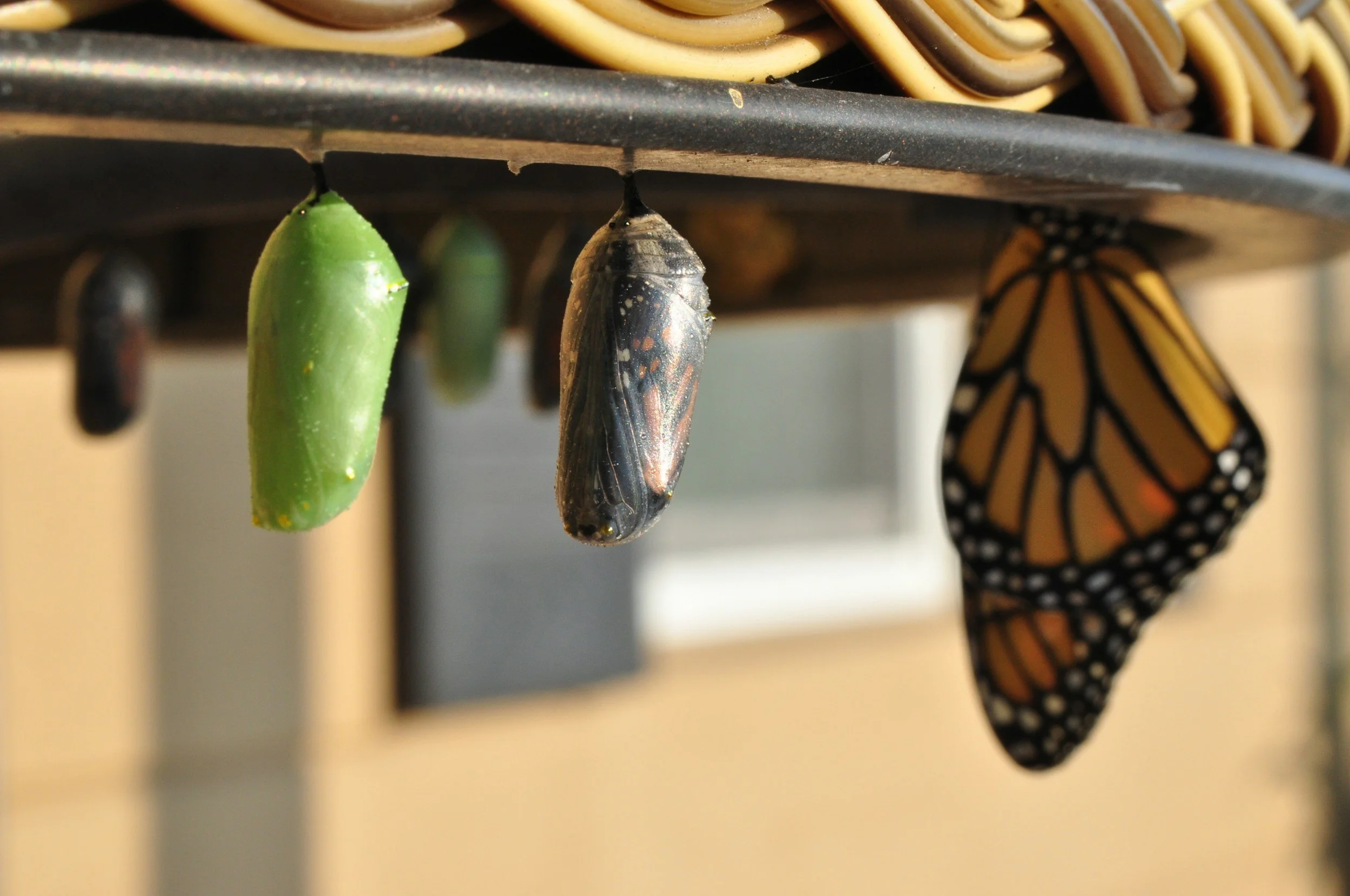
Belonging to a community is a basic human need. It's not just nice to have, it's necessary for survival. For most of human history, being part of a group meant safety, shared resources, and identity. That need hasn't gone away just because our communities look different now.
But what happens when your growth takes you in a different direction than the community you belong to?
Maybe you've changed. Maybe the people around you haven't. Or maybe you've simply outgrown the beliefs, habits, places or relationships that once felt like home. Whatever the cause, the result is often the same- a quiet, disorienting kind of loss that doesn't always get named as grief.
The Grief No One Prepares You For
We tend to think of grief as something tied to death. However, grief is really the response to any significant loss. This includes the loss of belonging, identity, and connection that can come with personal growth.
This kind of grief is often disenfranchised, meaning it isn't widely recognized or validated by the people around you. There's no funeral, no meal on your doorstep, no one checking in to ask how you're holding up. Instead, you might feel pressure to only focus on the positive, while quietly mourning what you left behind, even if what you left behind was a conscious choice towards growth.
Left unacknowledged, this grief doesn't just sit quietly in the background. It can actively make it harder to sustain the growth you worked so hard for, pulling you back toward old patterns or communities simply because the loneliness of the in-between feels unbearable.
What Growth-Related Loss Can Look Like
This kind of grief can show up around all kinds of change, including:
Reducing substance use or becoming sober and losing friendships or social spaces that were built around drinking or using.
Shifting religious or spiritual beliefs and losing a faith community, family closeness, or a worldview that once gave you structure.
Personal financial changes and losing access to a social circle, lifestyle, or sense of ease that came with a different financial reality.
A change in relationship status and losing shared friends, routines, or a sense of "we" that once anchored your identity.
Moving and losing daily proximity to people and places that made you feel known.
Increasing self-awareness and losing tolerance for dynamics, relationships, or environments that no longer fit who you're becoming.
None of these losses are small. Often times making these changes is hard because of these losses. However, not making a change towards growth also can have pain, regret, or a loss of who you were becoming. (If you have not yet made a change towards growth, talking about these potential losses in grief counseling can often bring clarity, support, and help you identify the best path forward for that time in your life.)
Why Grief Associated with Growth Deserves Attention
It can feel confusing to grieve something you chose, or something that came from positive change. You might question or dismiss your feelings. However, those feelings need to be felt in order to fully embrace your growth.
Naming this as grief, rather than just pushing through it, matters because unprocessed loss tends to resurface. It can show up as unexplained sadness, second-guessing your growth, or feeling isolated in ways you can't quite explain to people who haven't gone through something similar.
Moving Through It, Not Around It
Healing from this kind of loss doesn't mean reversing your growth or pretending the old community didn't matter. It means making room for both truths at once: that the change was right for you and that letting go still hurts.
A few things that can help:
Name what you actually lost: the specific relationships, the places, or sense of belonging that mattered
Give yourself permission to grieve even when the loss is ultimately for your good
Seek out community that represents your growth
Talk to someone who understandsthat growth and grief can coexist
You don't have to choose between honoring your growth and honoring your grief. Both can be true and both deserve space.
If you're navigating the loss that can come with personal growth, whether it’s loss of belonging, relationships, spaces, or identity; grief counseling can help you process it without losing sight of how far you've come. Reach out to schedule your free consultation.